

By Sam McCoy
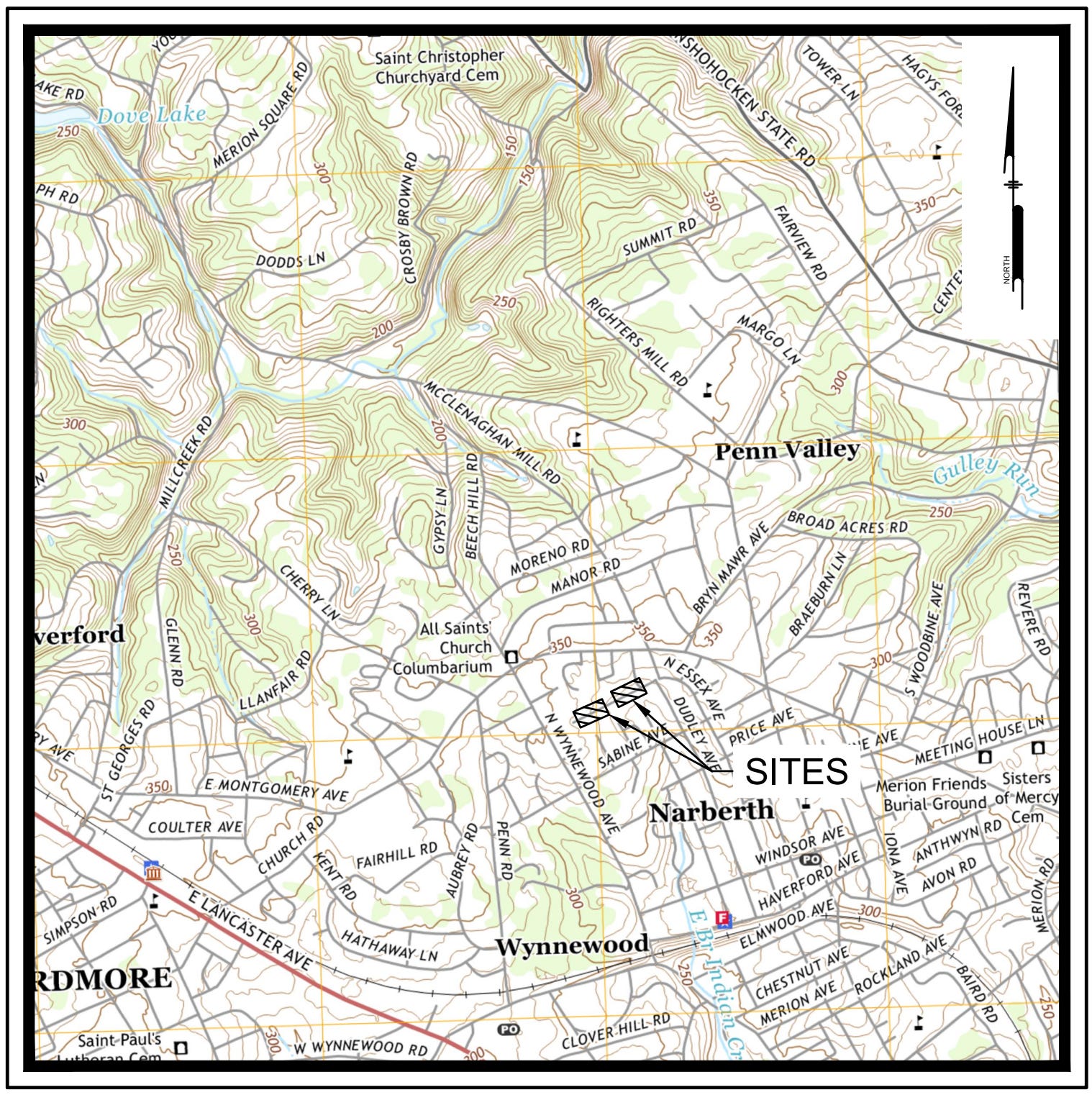
Narberth's own Pollutant Reduction Plan (PRP) already identified alternatives — specifically two bioretention facilities at the Library and Narberth Park, plus a manufactured inlet filter system at the Borough Hall parking lot — alongside the approximately 23 stormwater curb bumpouts. That means the borough itself acknowledged these other tools exist.
Stormwater Alternatives Narberth Could Have Explored
Narberth’s own Pollutant Reduction Plan (PRP) already identified alternatives — specifically two bioretention facilities at the Library and Narberth Park, plus a manufactured inlet filter system at the Borough Hall parking lot — alongside the approximately 23 stormwater curb bumpouts. That means the borough itself acknowledged these other tools exist.
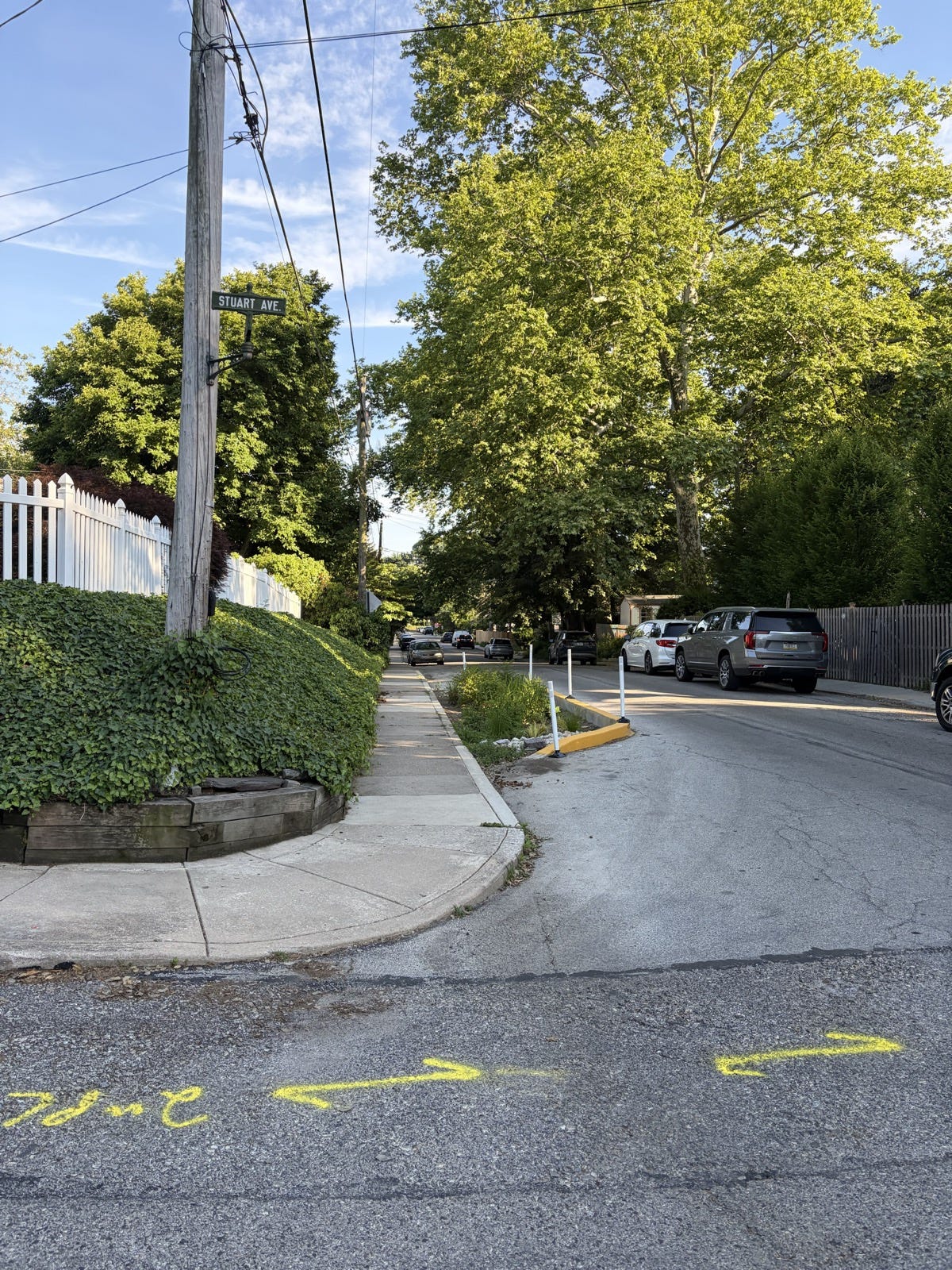
Here are the main categories of alternatives, grounded in what PA DEP and comparable boroughs have actually done:
1. Bioretention Basins on Municipal Property
The most expensive part of BMP construction is often acquiring land — which is why parks and recreational space are ideal locations for BMPs, because it’s land the municipality already owns, with no land acquisition costs. Middletown Borough, PA, proposed to meet the majority of its MS4 pollutant reduction goals with a single bioretention basin at a park, created by excavating an existing stormwater pipe and backfilling with engineered media, topsoil, mulch, and native plantings. Narberth has Narberth Park and municipal grounds that could absorb significant load before the borough ever touches a residential street. Hrg-incHrg-inc
2. Rain Gardens at Municipal Buildings and Rights-of-Way
Philadelphia’s landmark green stormwater program includes rain gardens, tree trenches, green roofs, and urban wetlands integrated into city green spaces, streetscapes, and public buildings — from simple downspout planters to complex bioretention swales filled with native species. Redirecting downspouts from the borough library, borough hall, or other public buildings into rain gardens is low-disruption and low-cost. Yale e360
3. Tree Trenches / Expanded Tree Canopy
Natural stormwater solutions including tree plantings, bioswales, permeable pavement, rain gardens, riparian plantings, and other native plantings near roadways and parking lots collectively capture, store, absorb, filter, and slow stormwater runoff at the surface before it enters sewer systems. Tree trenches — subsurface soil cells beneath sidewalks that allow tree roots and engineered media to absorb runoff — can be installed along sidewalks without narrowing the travel lane at all. Western Pennsylvania Conservancy
4. Pervious/Permeable Pavement in Parking Areas
Carnegie Borough, PA, used a PennVEST loan to install permeable pavement in municipal parking lots combined with bioswales and native plantings, creating about 10,400 square feet of porous surfaces that capture stormwater and slowly release it into the storm drains. Narberth’s Borough Hall parking lot was flagged for a manufactured filter system — but converting parking stall surfaces to permeable pavement could achieve substantially greater volume reduction. Western Pennsylvania Conservancy
5. Streambank Restoration
In Narberth, stormwater discharges into the East Branch of Indian Creek at a culvert beneath the train tracks along Haverford Avenue. Restoration of streambanks to prevent stream erosion is a major source of sediment reduction statewide and a recognized BMP for MS4 compliance. Stabilizing and naturalizing the banks of Indian Creek — where the Borough’s stormwater actually ends up — could address the root pollution problem rather than managing runoff mid-block on residential streets. Narberthpapsu
6. Inlet Filter Systems (Already in the Borough’s Own Plan)
The Borough’s PRP already proposed a manufactured inlet filter system for the municipal parking lot at Borough Hall — a low-footprint, no-traffic-impact solution. The question worth asking is why this approach wasn’t scaled up to more inlets throughout the system before pursuing residential bumpouts. Revize
7. Detention Basin Retrofitting
Retrofitting existing detention ponds to reduce peak flows and prevent downstream erosion while removing trash, debris, and pollutants is another recognized compliance pathway. If any detention infrastructure exists in or adjacent to Narberth (including Lower Merion’s adjacent facilities), a cooperative regional approach might achieve more volume reduction than individual street-level installations. psu
The Core Question This Raises
Narberth’s PRP itself acknowledged a mix of approaches. The pointed question for the committee is: what is the relative pollutant-load reduction achieved per dollar by each BMP type, and was that comparison made before selecting residential bumpout sites? Pennsylvania’s DCNR explicitly notes that parks, trails, and other publicly owned places are seen as “a necessity for effectively and economically managing stormwater,” precisely because they avoid the complications of working in active road rights-of-way. If the borough hasn’t maximized what it can do on its own property first, that’s a legitimate gap to raise publicly. Pennsylvania Government
The views expressed in this article are those of the author and do not necessarily reflect the position of Our Narberth, Inc., its board, or its members.
This was by Sam McCoy, he was sitting beside me at the last meeting.
This was by Sam McCoy, I believe he presented the information to Council